
Travel tools for Europe from India
Three things that decide how smoothly your international trip actually runs once you land: getting between cities, staying connected, and paying without losing money on hidden forex fees and charges.
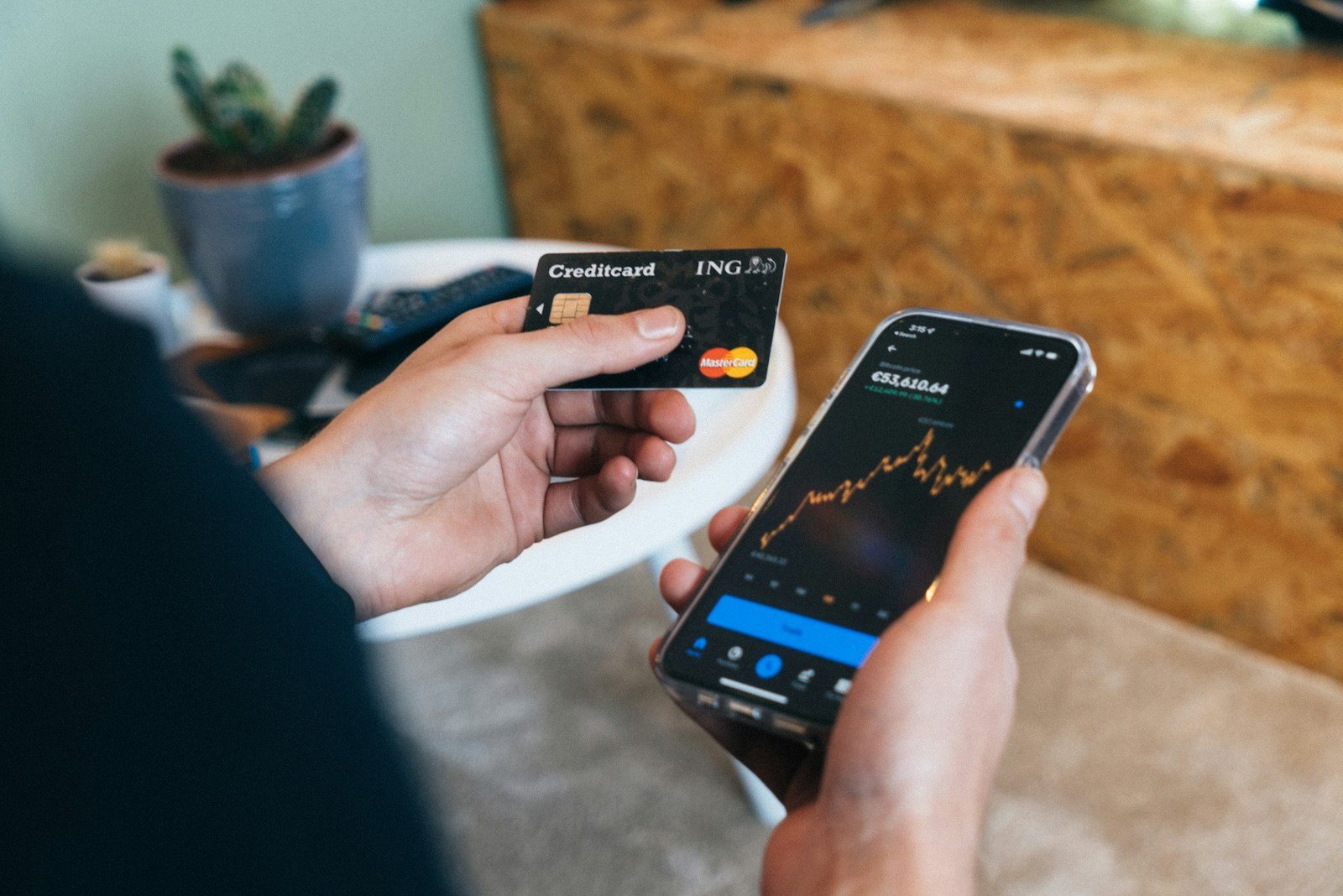
Each guide here comes from real on-the-ground travel, not promotional brochures. For Europe, that includes an honest look at whether an Interrail pass actually saves you money compared to point-to-point train tickets, how mandatory seat reservations and overnight trains work, and when skipping the pass entirely makes more financial sense.
Connectivity and payments usually cause the biggest headaches for Indian travellers. A travel eSIM can save you from steep international roaming packs from Jio or Airtel and spare you the hunt for a local SIM shop after a long flight, though plans vary widely on data caps and validity. On the money front, swipe costs stack up fast between standard credit card markup fees and the trap of Dynamic Currency Conversion: when a card machine offers to bill you in INR at a terrible exchange rate instead of local currency. Forex cards like Niyo and zero-markup travel credit cards like Scapia offer alternatives, but each comes with its own fine print.
Start with the tool you are least sure about, then work through the rest before you book. Each guide breaks down what to compare, what traps to avoid, and what actually works on real trips.
The short version
- Trains An Interrail Pass (formerly Eurail, renamed on 10 September 2026) covers the train fare across 33 countries. It pays off when you ride several long routes, and seat reservations on high-speed, international and sleeper trains are paid on top.
- Paying Carry two cards on two networks from two different banks, and always choose euros, never rupees, when a terminal asks. Spending on a forex card or debit card counts towards the RBI limit of INR 10 lakh a year before tax collected at source applies.
- Cash Europe is card-first, but you still need coins and small notes (EUR 10, 20 and 50) for toilets, markets, small bus operators and mountain huts.
- Staying online A Europe eSIM costs a fraction of Airtel or Jio roaming, installs in India before you fly and keeps your Indian SIM on for OTPs. See the eSIM guide for the best plans.
- Insurance The Schengen visa needs travel medical insurance of at least EUR 30,000, so buy the policy before you apply. See the visa pages for how to choose.
Where to start
A timeline that works
- 6 to 4 weeks before you fly: fix your route, then compare an Interrail Pass with point-to-point tickets for your rides and book the seat reservations that fast trains need.
- At least 2 weeks before: order your forex card or travel card and load a first amount to test it. Switch on international use, set a limit and note the lost-card helpline.
- 1 week before: check your PIN length, collect euros in small notes and compare the eSIM or roaming options for your phone.
- The day before: pack two cards on two networks, a little cash and a copy of the card numbers kept apart from the cards.
Good to know before you buy
- A pass is not always the cheapest. It suits several long rides on flexible days. For two or three fixed journeys booked early, ordinary tickets can cost less, so price your own route both ways.
- Pay in euros. When a European machine offers to charge you in rupees, decline: the merchant's bank sets that rate and often hides a markup of about 3% to 7%.
- Tour packages count differently. An overseas tour package bought from an Indian agent attracts 2% tax collected at source from the first rupee. Booking hotels and activities yourself does not count as a package.
- Tax collected at source can be claimed back. It is an advance income tax payment against your PAN, shown in Form 26AS, and you set it against your tax when you file your return.
Official sources
- InterrailPasses, live prices and the Rail Planner app.
- Reserve Bank of IndiaThe Liberalised Remittance Scheme rules for money sent or spent abroad.
- Income Tax DepartmentForm 26AS and how to claim tax collected at source.
Prices, fees and rules change. This page is a guide, not financial or tax advice: always confirm on the provider or the official website before you buy.