
Forex Cards and Paying in Europe
Which card to take, how the Reserve Bank of India's remittance rules and the tax collected at source affect your budget, and the payment habits in Europe that catch Indian travellers out.
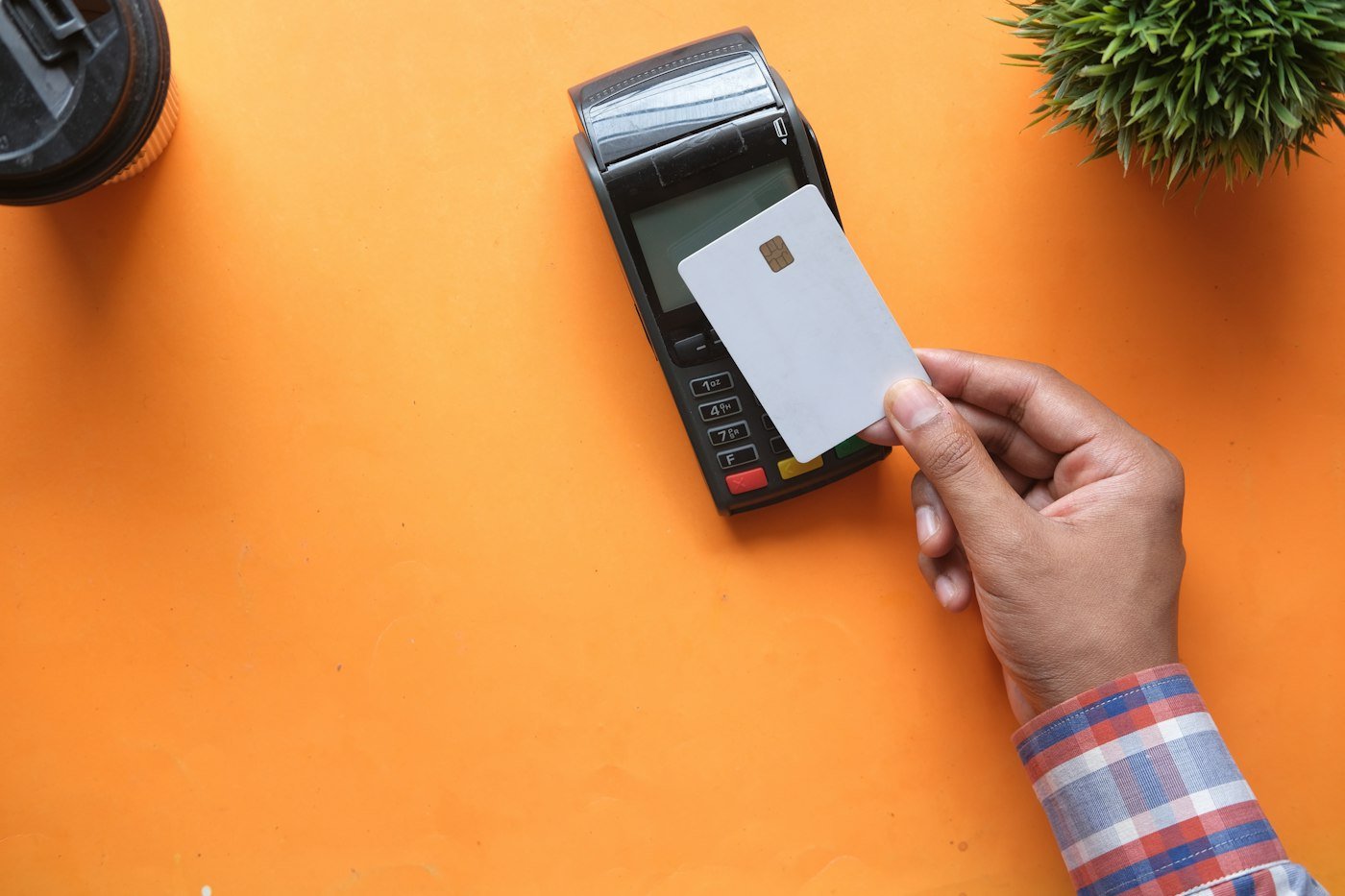
Which card to take
Wise and Revolut cards are not issued to Indian residents on Indian KYC, so the realistic choices are Indian products. There are three kinds, and most travellers do best with two of them.
| Type | Examples | Why choose it |
|---|---|---|
| Fintech travel cards | Niyo Global, Scapia and similar app-based cards | Zero markup on the exchange rate and everything in an app. Good for everyday taps in cafes, trams and kiosks. Check the flat fee for ATM withdrawals. |
| Prepaid forex cards | BookMyForex, HDFC or ICICI multi-currency cards, Thomas Cook | You load euros at the rate of the day, which protects you if the rupee falls against the euro. Best if you want a fixed budget. |
| Zero-markup credit cards | IDFC FIRST Wealth, OneCard, AU Bank, Scapia credit card | You pay the bill in rupees after the trip. Nothing to load, and the right tool for big holds such as car rental deposits and hotel pre-authorisations. |
Carry two cards on two networks (one Visa, one Mastercard) from two different banks. If a terminal in a small town or a mountain hut rejects one, the other is your backup.
Features and fees change often. Compare the current markup, ATM fee and annual fee on the issuer's page before you apply. A standard Indian credit card usually adds a 3% to 3.5% forex markup plus 18% GST on it, about 4% in all.
LRS and tax collected at source (TCS)
The Reserve Bank of India counts money you send or spend abroad under the Liberalised Remittance Scheme (LRS). Loading a forex card and spending on a debit card count towards it. The tax collected at source (TCS) on top depends on how you pay.
- Up to INR 10 lakh a year: no TCS on LRS remittances, including forex card loads, in a financial year (April to March).
- Above INR 10 lakh: TCS applies to the extra amount. For travel it is 2% from April 2026; for other purposes the rate is higher. Check the current rate with your bank.
- Overseas tour packages bought from an Indian agent: 2% TCS from the first rupee, whatever your other remittances. Booking hotels and activities yourself does not count as a package.
- International credit cards: spending abroad on a credit card is not treated as an LRS remittance, so no TCS is collected on it.
You can get TCS back. It is not an extra fee: it is an advance income tax payment deposited against your PAN. It shows in Form 26AS (and the annual tax statement) and you claim it as a refund or set it against your tax when you file your income tax return. See the income tax portal.
Rates change with each Union Budget. Check with your bank or tax adviser before you plan large loads.
Always pay in euros, never in rupees
At a European shop, restaurant or ATM, the machine may recognise an Indian card and ask whether to pay in euros or rupees. This is Dynamic Currency Conversion.
Choose EUR (euros). If you choose INR, the merchant's bank sets the exchange rate and often builds in a hidden markup of about 3% to 7%. In euros, your own bank or card does the conversion at its normal, cheaper rate.
Payment habits in Europe
- Check your PIN length. Many European machines (ticket kiosks, petrol pumps, toll booths) work best with a 4-digit PIN. If your card has a 6-digit PIN, ask your bank whether it works abroad and change it in the banking app before you fly if needed.
- Tapping. Contactless payments without a PIN usually work up to about EUR 50, with limits that differ by country and bank. Above that, insert the card and enter the PIN.
- Turn on international use. In your banking app, enable international transactions and contactless use and set a sensible limit. Tell the bank your travel dates if it asks.
- Cash still matters. Europe is card-first, but you need coins and small notes for public toilets, small bus operators, markets and tips. In the mountains, such as the Dolomites, mountain huts (rifugi) often take cash only, and signal drops where card machines need it.
- Buy small notes. When you buy euros in India, ask for EUR 10, 20 and 50 notes. Shops dislike EUR 100 and EUR 200 notes for small purchases such as a EUR 3 coffee, and some refuse them.
Before you fly
- Order the card at least two weeks ahead and load a first amount to test it.
- Switch on international use, set the limit and note the lost-card helpline.
- Pack two cards on two networks, a little cash in small notes and a copy of the card numbers apart from the cards.
- Keep receipts for large purchases to match them to your statement and to your tax return.
Useful links
- Reserve Bank of IndiaThe rules for remittances under the Liberalised Remittance Scheme.
- Income tax portalForm 26AS and how to claim TCS back.
- BookMyForexPrepaid forex cards and euros, delivered in India.
- NiyoNiyo Global, a zero-markup travel card.
Rules and fees change. This page is a guide, not financial or tax advice: confirm the details with your bank.